By: Alison Chavez
Introduction
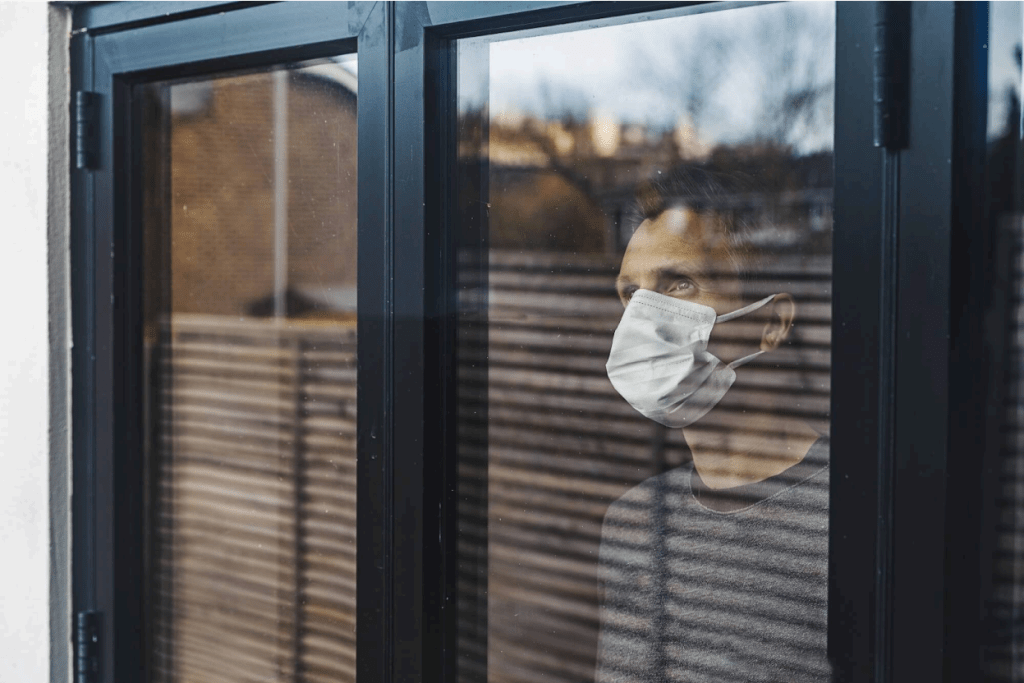
Five years after the world went into lockdown, the pandemic may seem far in our rear-view mirror. However, the COVID-19 pandemic has had a lasting impact that many are completely unaware of. Many teenagers spent their formative years in isolation, missing out on social interactions and classroom dynamics that shape our social skills as we grow. As a result, an increasing number of adolescents are struggling with social anxiety, many without even realizing it.
Rise in Social Anxiety Following COVID
Recent scholarly articles and studies have highlighted a notable increase in social anxiety disorders since the onset of the pandemic. A study published by the National Library of Medicine found that social anxiety rose following the pandemic. Additionally, UC Santa Barbara conducted a survey which found that many teenagers feel disconnected from their communities and that their overall “social well-being” decreased even years after isolation. Together, these studies reveal a clear pattern: many youth continue to struggle with the hidden aftermath of COVID-19.
How Do I Know if I Have Social Anxiety?
It’s easy to mistake social anxiety for simple shyness or nervousness. Although some amount of anxiety is normal to experience in one’s life, like before an important presentation or game, social anxiety can make everyday social interaction a difficult task. Here are some signs and symptoms of social anxiety, both physical and mental:
Physical Signs of Social Anxiety
- Rapid heart rate
- Nausea
- Sweating
- Trembling
- Blushing
- Trouble catching your breath
- Avoiding eye contact
- Feeling like your mind has gone blank
Emotional Signs of Social Anxiety
- Anxiety during social situations
- Self-consciousness
- Intense fear of interacting with strangers
- Fear of negative judgment from others
- Fear of looking awkward or self-conscious in front of others
- Anxiously reviewing social interactions long after they have occurred
Tips to Manage Social Anxiety
While social anxiety may make interactions with others feel like an impossible challenge, there are ways to reduce this anxiety and improve your well-being. Here are some tips and strategies to manage your social anxiety:
- Challenge negative thoughts: Remind yourself that people often pay less attention to us than we think they do.
- Change your perspective: Ask yourself, what is the worst-case scenario of this anxiety inducing situation? How likely is this scenario to occur?
- Mindfulness and breathing exercises: Meditation and certain breathing techniques have proven useful in reducing social anxiety symptoms, such as:
- Box breathing – inhale for 4 seconds, pause for 4 seconds, exhale for 4 seconds, relax for 4 seconds, and repeat.
- 4-7-8 breathing – inhale for 4 seconds, hold for 7 seconds, and exhale for 8 seconds.
- Guided meditation sessions tailored to social anxiety can be found on YouTube, meditation apps, and social media platforms.
- If these tricks fail to stop anxiety that prevents a normal lifestyle, consider counseling or cognitive behavioral therapy (CBT) to talk through feelings with a professional.
Further Resources
For more information, check out these links to learn more about tackling symptoms of anxiety:
- Mayo Clinic – 11 tips for coping with an anxiety disorder
- American Medical Association – What doctors wish patients knew about managing anxiety disorders
- Format Medical – Meditating to ease social anxiety
Conclusion
COVID continues to have lasting effects on society and ourselves. If you’ve noticed a decline in your mental health following quarantine, you’re not alone. The World Health Organization reported a 25% increase in anxiety and depression following the COVID-19 pandemic. Understanding the root of this struggle and its symptoms is the first step to overcoming these lingering effects and moving toward healthier social interactions.

 Mind4Youth
Leave a comment