By: Amy Mao
The Battles Teens Fight with OCD
Behind the pressures of school and social life, many teens face the hidden challenges of Obsessive-Compulsive Disorder, or OCD. In fact, about 3 out of every 100 teens are diagnosed with OCD, though the actual number is likely higher due to stigma and underdiagnosis (ADAA, 2025). OCD is a mental health disorder marked by recurring thoughts and worries, called obsessions, which often cause anxiety. It also involves repetitive behaviors, called compulsions, that a person feels compelled to perform to reduce this anxiety. These obsessions and compulsions can cause severe distress, frustration, significant time consumption, and even depression. While there is no simple solution for managing OCD, there is hope: many organizations offer support for teens, and there are numerous strategies for coping internally.
Symptoms of OCD: Obsessions
Obsessions are the first category of OCD symptoms. They are defined as constant and unwanted thoughts, urges, or images that are intrusive, causing stress and anxiety. To differentiate obsessive symptoms from compulsive symptoms, think of obsessions as thoughts and compulsions as actions. Many obsessions are common in teens. For example, a fear of
contamination may cause someone to feel scared to touch something others have touched, such as a library book. Another example is difficulty dealing with uncertainty, which can lead to worrying about events that have not happened yet or repeatedly doubting things that have already happened, such as wondering if they locked the door. A need for order or exactness is also common; someone might feel intense distress when objects are not lined up perfectly or facing a certain way. Obsessions can also include intrusive aggressive, sexual, or religious thoughts, such as imagining losing control and harming someone, even though these thoughts are unwanted and do not reflect a person’s intentions.
Symptoms of OCD: Compulsions
Compulsions are the second category of OCD symptoms. They are defined as repetitive behaviors or mental acts that people feel driven to do to reduce anxiety caused by obsessions. Many compulsions are common in teens. For example, repeatedly washing and cleaning may be a response to a fear of contamination. To manage distress caused by uncertainty or doubt, someone might check something multiple times, such as whether a door is locked. Teens with a need for order or exactness may rearrange objects frequently. Another common compulsion is mental reassurance, such as trying to replace a worrisome thought with a “better” thought to feel relief. While hoarding is diagnosed differently, it can sometimes act as a compulsion when someone worries about running out of things they value. It is important to note that while obsessions and compulsions are both symptoms of OCD, some individuals may only experience one category.
OCD Effects on Teens
Many teens are already stressed by grades, homework, extracurriculars, and social life. Adding OCD can increase stress even further. Adolescence naturally comes with uncertainty because of hormonal changes, increased responsibilities, and identity formation, all of which can become sources of obsessions and anxiety. Teens may also be sensitive to labels and
hesitate to seek a diagnosis due to stigma, such as being seen as strange or worrying about social status. This can be a serious issue because therapies and treatments can significantly help, but only if teens feel comfortable accessing them. OCD can also impact academic life. Repeatedly rewriting and checking schoolwork for mistakes can lead to inefficiency and create excessive dependence on reassurance from teachers and classmates.
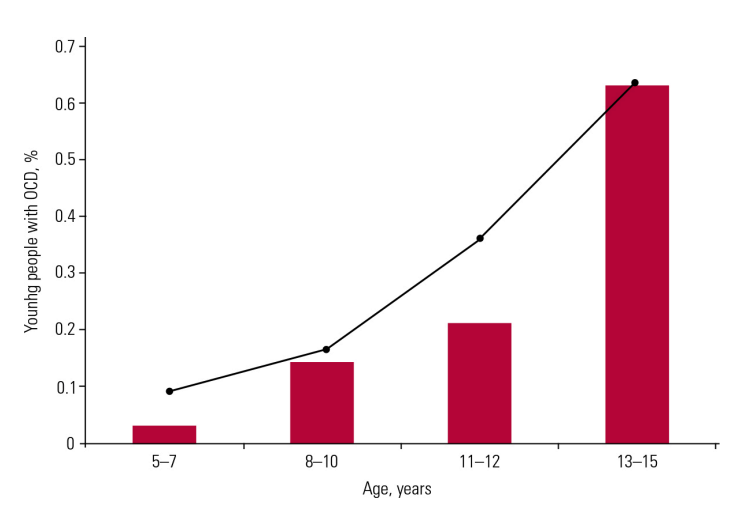
The chart above from Cambridge University shows a growing percentage of youth diagnosed with OCD as children become teens. This increase is supported by the rise in stress factors with age, such as more challenging academics and identity development, which can trigger new obsessions and compulsions.
How Can We Face the Exhaustion of OCD?
While OCD is challenging, there are numerous coping strategies and support systems available to those who are struggling. Changing ways of thinking, going to therapy, and reaching out are all examples that can make significant differences on someone’s journey with OCD.
Coping Methods:
There are many ways individuals can cope with their obsessions and compulsions. While effectiveness varies from person to person, here are some common methods:
Managing Obsessions:
- Accept intrusive thoughts: Remember that intrusive thoughts are very common and usually mean nothing. Trying to force them away can make them linger longer.
- Accept uncertainty: Spending too much time trying to achieve certainty can fuel a cycle of doubt and anxiety. Reversing the worrisome question helps, e.g., “Am I sure this is true? Am I sure this is not true?”
Managing Compulsions:
- Identify compulsions: Recognize recurring actions you perform to seek relief. Some people feel shame, guilt, or panic when they cannot perform a compulsion.
- Resist, Delay, Reduce: Resisting urges, delaying actions with a timer, or reducing frequency/duration of compulsions can weaken symptoms over time. Avoid replacing one compulsion with another, and keep notes of what works.
- Use distractions: Engage in creative hobbies (like knitting) or practical tasks (like chores). Focus on your senses, and say what you’re doing out loud.
- Look after your well-being: Prioritize sleep, exercise, human connection, and time in nature to support mental health and coping
Support Systems:
There are many organizations that specifically provide support for people struggling with OCD that teens and parents can utilize. For example, the International OCD Foundation (IOCDF) and Beyond OCD both provide education, resources, and a community for those with OCD. Additionally, there are treatment centers available, such as Child Mind Institute and McLean Hospital. The most common therapy for OCD is Cognitive Behavioral Therapy (CBT), often using a specialized approach called Exposure and Response Prevention (ERP). These organizations, treatment centers, and therapies offer teens practical ways to manage OCD, connect with others who understand their experiences, and work toward feeling more in control of their thoughts and behaviors. With the right support and guidance, teens with OCD can learn strategies to reduce anxiety, build confidence, and improve daily life.
So What?
OCD can make everyday life stressful and overwhelming for teens, but understanding the symptoms, seeking support, and using coping strategies can make a real difference. Recognizing the signs of obsessions and compulsions helps explain why they happen and how to manage them. If you or someone you know is struggling with OCD, explore resources like the IOCDF and consider talking to a mental health professional. Taking these steps can help teens feel more in control, reduce anxiety, and face OCD with confidence.

 Mind4Youth
Leave a comment