By: Varenyaa Srivatsan
INTRODUCTION
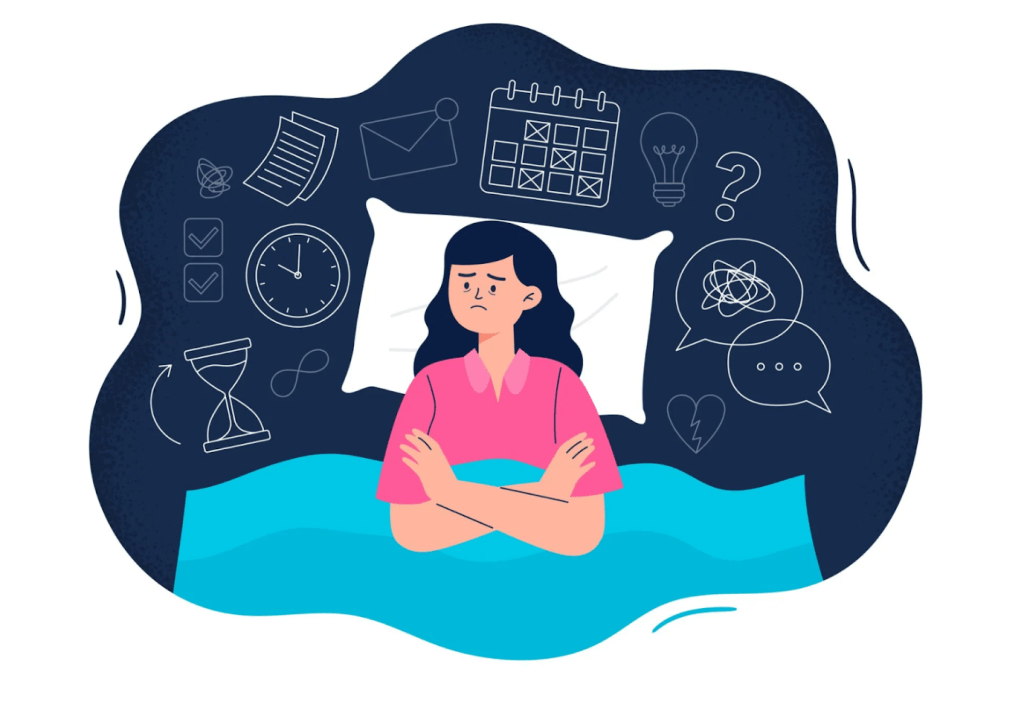
Let’s face it- sleep deprivation is real and very common. The pressure that teenagers face to finish assignments and study for an endless amount of exams while maintaining perfect grades is an universal experience.
Sleep deprivation may seem harmless at first – after all, it’s only a couple hours of staying up, right? Over 70% of adolescents suffer from inadequate sleep (CDC, 2024). This endless cycle of sleeplessness and stress quickly accumulates and is detrimental, leading to the development of depression and other mental health conditions.
Luckily, we can combat this together. There are several resources available and simple strategies we can follow to break this cycle of stress and sleep deprivation!
COMMON CAUSES OF SLEEP DEPRIVATION
Teenagers need around 9 hours of sleep to remain healthy but most only get 5 to 6 hours. Many factors affect sleep-cycles including:
- Work overload: Academic pressures, homework, exams, and extracurricular commitments can cut into a teen’s sleep schedule.
- Technology: Cellphones and other devices used around bedtime reduce sleep time. These bright lights can signal the brain to stay awake.
- Hormonal shift: Teenagers’ internal clock pushes their sleep schedules a couple hours later but does not mesh well with early school start times.
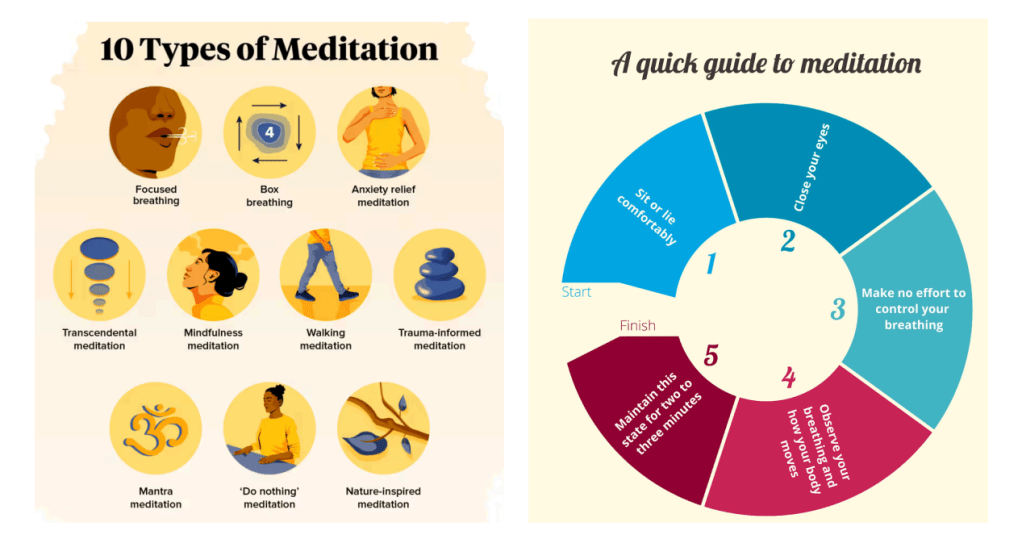
PRACTICING MEDITATION AND EXERCISING
Meditation, the practice of focusing your mind into a state of deep relaxation, greatly decreases anxiety. Additionally, meditation is found to have the equivalent results of using medication for depression, except without the drug’s side effects (Harvard Health Publishing, 2021). Even a few minutes of practicing mindfulness can be beneficial.
Exercising can immensely enhance your quality of sleep and lower stress levels. When undergoing exercise, positive brain chemicals are released, improving your overall wellbeing and health (Mayo Clinic, 2023).
Try incorporating both meditation and physical activity into your daily routine and experience the magical results that they can produce!
CHANGING LIFESTYLE FACTORS
What can you modify in your daily routine?
- Establish a consistent sleep-time routine: With a regular sleep schedule, your mental health can be improved. These routines can enhance your mood and, in turn, help you manage stress better.
- Reduce caffeine intake: Caffeine, often found in coffee and tea, is responsible for disrupting sleep by turning off the receptors in your brain that make you feel tired. This ingredient is also known to cause anxiety because it increases heart rate and blood pressure.
- Manage screen-time usage: Screens produce blue-light, which can affect your body’s sleep cycle and decrease melatonin production. The longer you use technology, especially before bedtime, the harder it is to fall asleep and get adequate rest.
- Spending time outdoors: Time in nature can improve mental health and help you relax.
HOW CAN YOU RECEIVE HELP?
Speak with a parent or teacher about other ways to combat stress and sleep deprivation to improve your mental health. Here’s how they can make a difference:
- Parents
- Be open to discussions about mental health without judgement
- Encourage a consistent sleep schedule
- Help manage school and extracurricular workload
- Recommend therapy for guidance on stress and sleep deprivation
- Teachers
- Listen to the needs of the students
- Keep workload to a minimum
- Check on students’ stress levels and encourage breaks
- Provide help and assistance with schoolwork if necessary
- Offer mental health resources
MENTAL HEALTH SERVICES
If you are not ready to discuss with trusted adults or friends in your life, here are some services you can contact for support. It’s important to remind yourself that you are not alone in this – millions of teens struggle from sleep deprivation, stress, and the mental health consequences of it. Resources:
- Kids Help Phone
- Crisis Textline – Text TALK to 741741
- National Alliance on Mental Illness
- 988 Lifeline
- Jet Foundation
Sleep deprivation, stress, and exhaustion can feel overwhelming and impossible to escape, but you are not the only one dealing with it. Remember, there are many teenagers worldwide who face the same issues. With support and the incorporation of simple strategies, you can overcome this cycle and improve your mental health!


 Mind4Youth
Leave a comment