By: Ahana Ahad
Introduction: Carrying the Invisible Weight
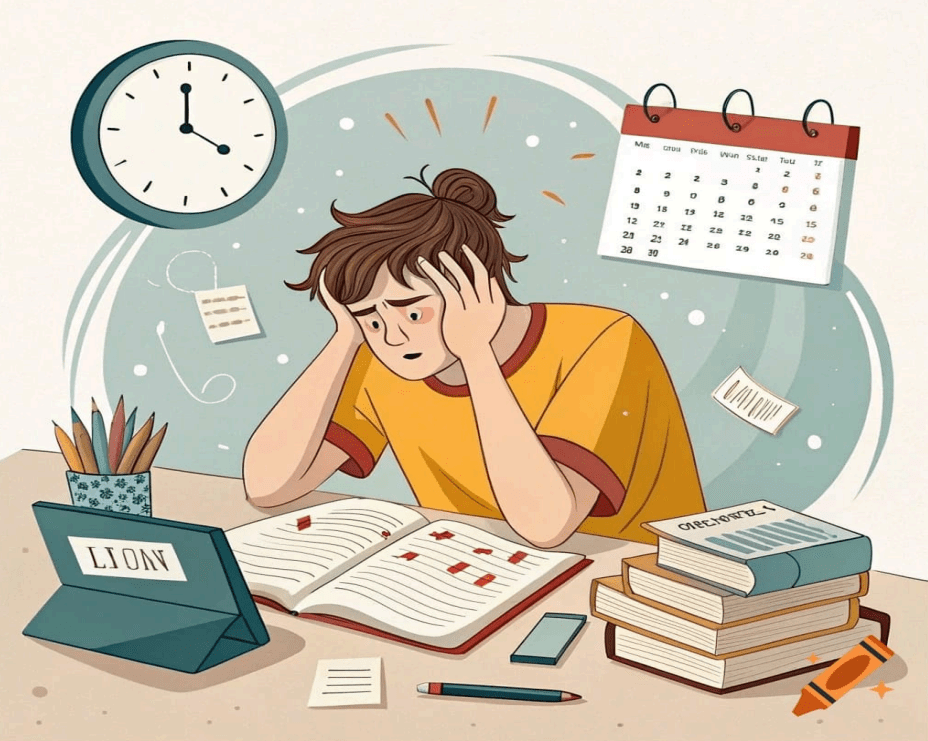
Grades are no longer just letters or numbers; for many teens, they are invisible weights pressing down on their backs. From the early days of middle school to the brink of adulthood, adolescents navigate a world where marks often define worth, success, and even identity. According to a 2022 study, over 70% of teens report experiencing stress due to academic expectations at least once a week, and this pressure has intensified in the era of social media, global competition, and parental expectations (APA 2021). 1 in 3 teens experiences an anxiety
disorder (National Institute of Mental Health).
They do not study to know the unknown, not to see the unseen, they study to avoid the bad words of some people in the society. Society puts pressure on them in such a way that they do everything out of fear of public shame.
Academic stress is more than just studying late nights or cramming for exams; it infiltrates emotional well-being, social relationships, and even decision-making. This article explores the psychological toll of academic pressure on teens, integrating developmental psychology, sociocultural influences, and real-life experiences to provide a comprehensive view of the modern adolescent struggle.
Understanding the Causes: Why Grades Feel Like a Burden
1. Developmental Psychology Perspective
Adolescence is a period of rapid growth—cognitive, emotional, and social. The prefrontal cortex, responsible for decision-making and emotional regulation, is still developing, making teens particularly vulnerable to stress and perfectionism (American Academy of Pediatrics ). Academic demands during these formative years can exacerbate feelings of inadequacy or fear of failure.
- Early Adolescence (10–14 years): Teens are sensitive to peer comparison, social approval, and initial academic challenges.
- Mid-Adolescence (15–17 years): Identity exploration, peer pressure, and increasing responsibility make grades feel more consequential.
- Late Adolescence (18–21 years): Major life decisions about career, higher education, and independence add additional weight to academic performance.
2. Sociocultural Pressures
Beyond developmental factors, societal and cultural expectations intensify stress:
- Parents’ high expectations equate grades with future success (Harvard Graduate School of Education)
- Competitive school environments foster comparison and anxiety (Centers for Disease Control and Prevention)
- Social media amplifies perceived inadequacies through curated images of peers’ achievements (Twenge et al.).
“Seeing friends post perfect scores makes me feel like nothing I do is enough,” says one teen.
3. Emotional & Narrative Perspective
The stress is often invisible. Teens may appear confident or cheerful but silently struggle:
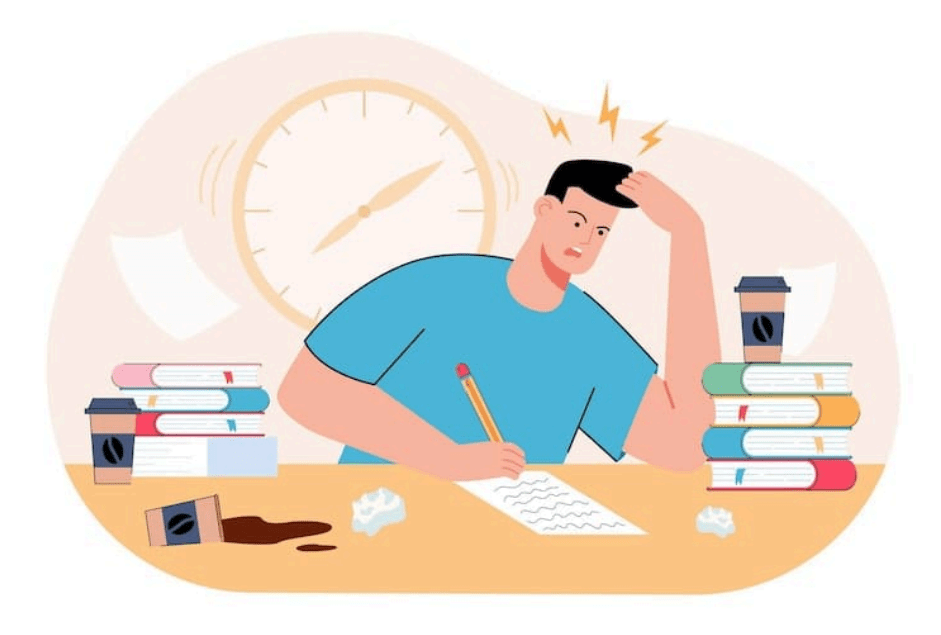
“Ameera studies until 2 AM every night, fearing she will disappoint her parents, even though her grades are already above average.”
These pressures can lead to perfectionism, fear of failure, and emotional exhaustion, which accumulate over time.
4. Academic Stress as Emotional Burden
Grades impact not just academic outcomes, but emotional well-being:
- Physical Signs: headaches, stomach aches, sleep deprivation (Mayo Clinic)
- Emotional Signs: irritability, constant worry, fear of failure
- Behavioral Signs: social withdrawal, procrastination, risk avoidance
Chronic stress can lead to anxiety, depression, panic attacks, and burnout. Girls are particularly vulnerable due to societal pressures and emotional sensitivity (National Institute of Mental Health).
5. Impact on Self-Concept and Confidence
Grades affect self-concept and academic self-efficacy:
- Repeated lower-than-expected scores can erode confidence, even when tests don’t reflect true abilities (Situmorang and Widodo).
- Students with higher self-efficacy are more resilient—they see challenges as opportunities rather than threats.
Example: “Mona studies until 2 AM, fearing she’ll disappoint her parents, even though her grades are above average.”
The Psychological Toll: Effects of Academic Pressure
1. Emotional & Mental Health Impacts
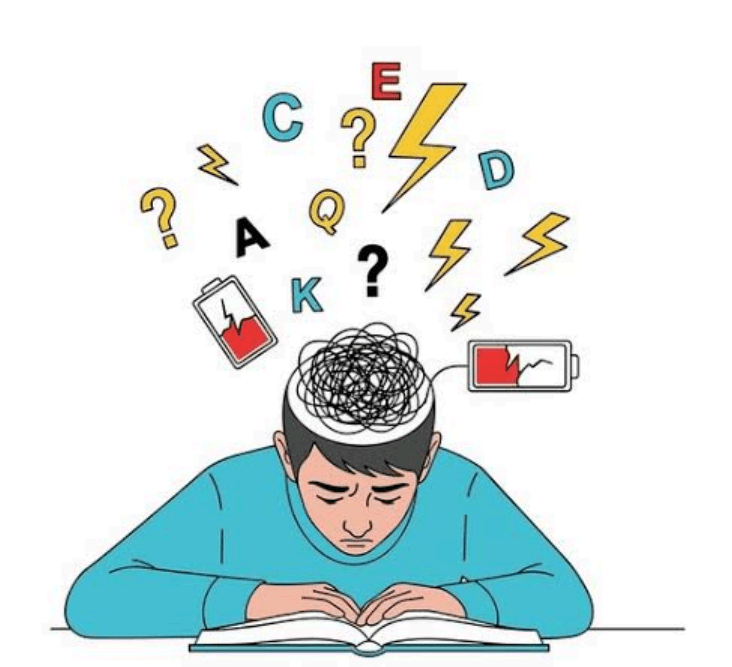
- Chronic stress → anxiety, depression, burnout (World Health Organization)
- Sleep deprivation → cognitive impairment and irritability
- Low self-esteem → self-doubt and negative self-image
2. Behavioral Impacts
- Overthinking and decision paralysis
- Social withdrawal due to fear of judgment
- Avoidance of challenging tasks or risk-taking
3. Positive Potential (Balanced Perspective)
When managed correctly, academic challenges can foster:
- Critical thinking & problem-solving
- Self-reflection and personal growth
- Empathy and collaboration

Coping Strategies & Solutions
Quick Relief for Anxiety
- Box Breathing: Inhale 4, hold 4, exhale 4, hold 4
- Grounding Technique: 5–4–3–2–1
- Positive Self-Talk
- Movement
- Journaling
Building Long-Term Resilience
- Consistent sleep (8–10 hours)
- Balanced nutrition
- Daily exercise
- Mindfulness or yoga
- Support systems
- Therapy when needed (APA 2021)

Role of Teens, Parents, Teachers and Schools
For Teens:
Mindfulness, time management, limiting social media and seeking support.
For Parents:
Open communication, healthy coping modeling.
For Teachers:
Supportive culture, mindfulness exercises, critical thinking.
For Schools:
Alternative assessments, SEL programs, workshops.
Supportive environments shift focus from grades to growth.
Turning Pressure Into Growth
Academic challenges can foster:
- Critical thinking
- Problem-solving
- Self-reflection
- Empathy
Teens who once crumbled under exams can thrive in hands-on, project-based learning when given the right support.
Conclusion: Reframing Success
Grades can feel like a burden, but they do not define a teen’s worth. Academic pressure, if left unchecked, can have serious psychological consequences, yet understanding its roots, promoting balance, and cultivating coping strategies can transform stress into resilience, growth, and self-awareness.
“Success is not measured in marks alone; it is measured in mental peace, self-growth, and the ability to thrive in life.”
By recognizing the hidden weight that teens carry, we can create environments—at home, in school, and in society—where mental health is prioritized alongside achievement. Together, we can ensure that adolescents are supported, empowered, and free to flourish without being crushed under the burden of grades.

 Mind4Youth
Leave a comment