By: Thanwa Dahab
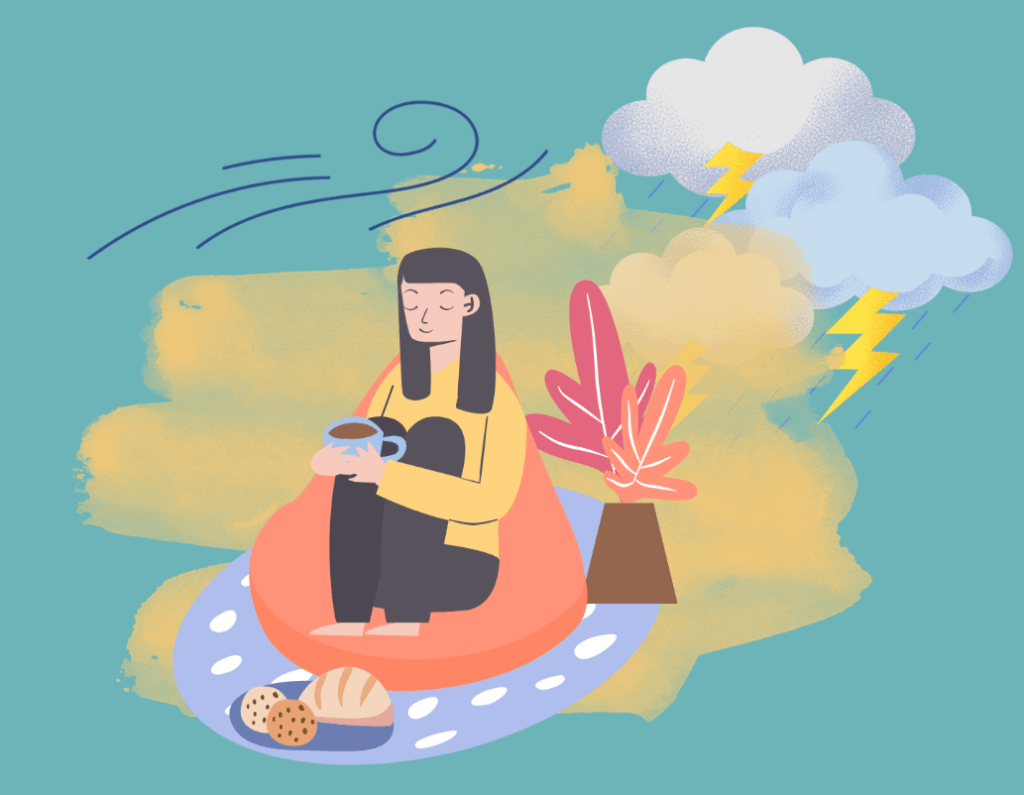
The Silent Storm Inside
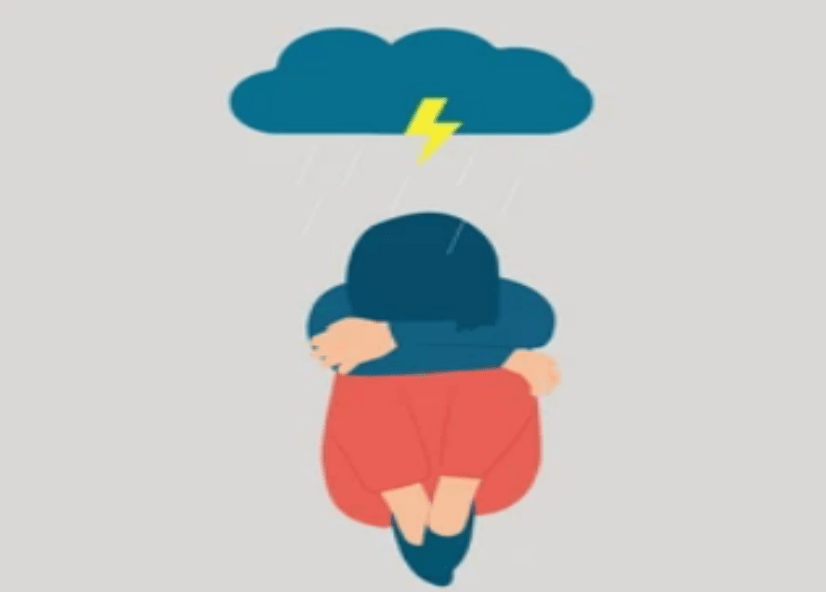
Anxiety can feel like a storm you can’t escape, like thunder in your chest, lightning striking your thoughts. For many teens, this storm is invisible to everyone else, making it even harder to handle.
Today’s teens face constant pressure from academic stresses, social media, relationships, and concerns about their future. According to the National Institute of Mental Health, 1 in 3 teens experiences an anxiety disorder.
The good news? You can learn to control the storm. With the right support and strategies, anxiety doesn’t have to control your life.
Why Anxiety Hits Teens So Hard
Teen Years are a time of massive change, your brain, body, and identity are developing all at once. Add outside pressures, and anxiety can skyrocket.
Here are some common triggers:
- School Stress – grades, exams, future plans.
- Social Pressure – friendships, relationships, fitting in.
- Social Media – constant comparison and FOMO.
- Uncertainty – fears about college, careers, and adulthood.
Sometimes, these stresses overlap, making it hard to tell what’s causing the anxiety.
Recognizing the Signs
The first step in coping is knowing what anxiety looks like. Symptoms can show up in your body, thoughts and behavior:
- Physical Signs: racing heartbeat, sweaty palms, stomach aches, headaches.
- Emotional Signs: irritability, fear, constant worry.
- Behavioral Signs: avoiding friends, procrastinating, trouble sleeping.
If you notice several of these signs, your body might be trying to tell you it’s overwhelmed.

Quick Coping Methods
When anxiety hits suddenly, you need strategies that work in the moment.
- Box Breathing: Inhale for 4 counts, hold for 4, exhale, for 4, hold 4.
- Grounding Technique: Name 5 things you can see, 4 you can touch, 3 you can hear, 2 you can smell, 1 you can taste.
- Positive Self-Talk: Replace “I can’t do this” with “I will get through this.”
- Movement: A short walk, stretch, or dance break can release built up tension.
- Journaling: Write down your thoughts to get them out of your head and onto paper.
These strategies don’t erase anxiety, but they help you regain control in stressful moments.

Building Long-Term Resilience
Coping in the moment is important, but long-term habits prevent anxiety from taking over. Think of these as your mental health “workouts”:
- Constant Sleep: Aim for 8-10 hours and avoid screens before bed.
- Balanced Nutrition: Limit caffeine and sugar, which can make anxiety worse.
- Daily Exercise: Even a 20-minute walk boosts mood and lowers stress
- Mindfulness Practice: Meditation or yoga helps you stay present
- Strong Support System: Surround yourself with friends and family who care.
- Therapy or Counseling: Talking to a professional is a sign of strength, not weakness

How Adults Can Help
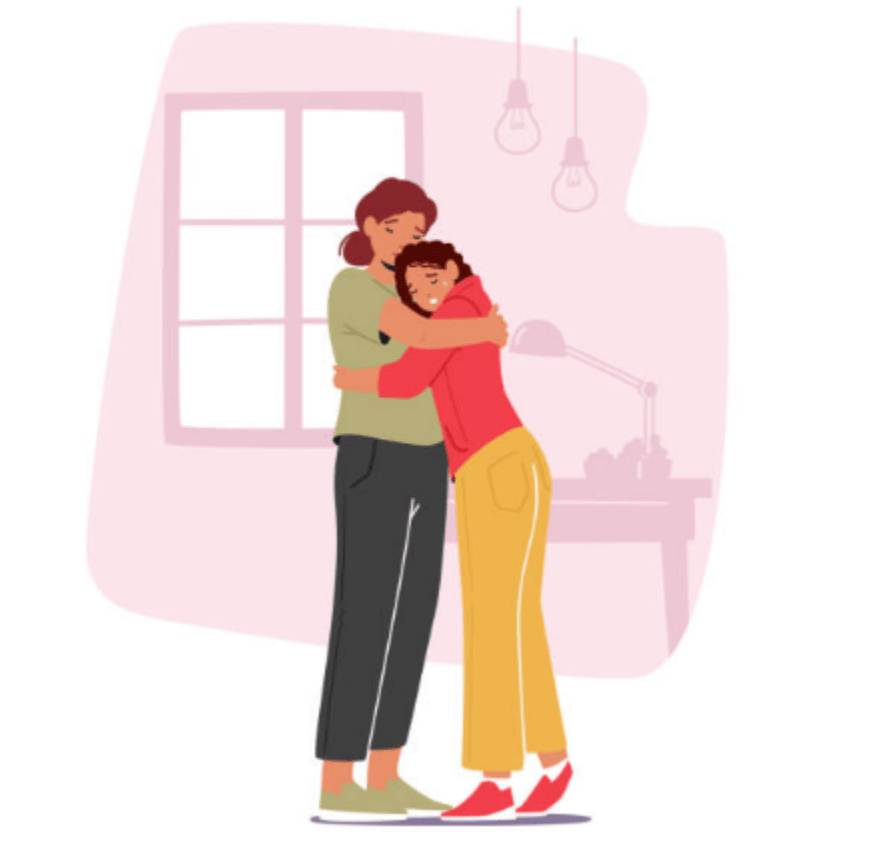
Parents, teachers, and mentors play a huge role in a teen’s mental health. Here’s how they can make a difference:
- Parents:
- Foster open conversations without judgement
- Encourage healthy coping strategies like exercise and journaling
- Encourage therapy if needed
- Teachers:
- Create a supportive classroom environment.
- Teach mindfulness techniques at school
- Provide resources or referrals for mental health support
When To Seek Professional Help
Sometimes, anxiety becomes too much to handle alone. It’s important to reach out if you notice:
- Panic attacks that happen often
- Anxiety interfering with school, friendships, or daily life.
- Feeling hopeless or overwhelmed most of the time.
Talk to a school counselor, therapist, or doctor. They can help you create a treatment plan that works for you.

You Are Not Alone
Anxiety can feel isolating, but millions of teens are going through the same struggle. It doesn’t mean you’re weak, It means you’re human.
By using coping strategies, building resilience, and seeking support, you can calm the storm inside you and find peace.
Asking for help isn’t weakness, it’s courage.

 Mind4Youth
Leave a comment