By: Kushagra Verma
Intro
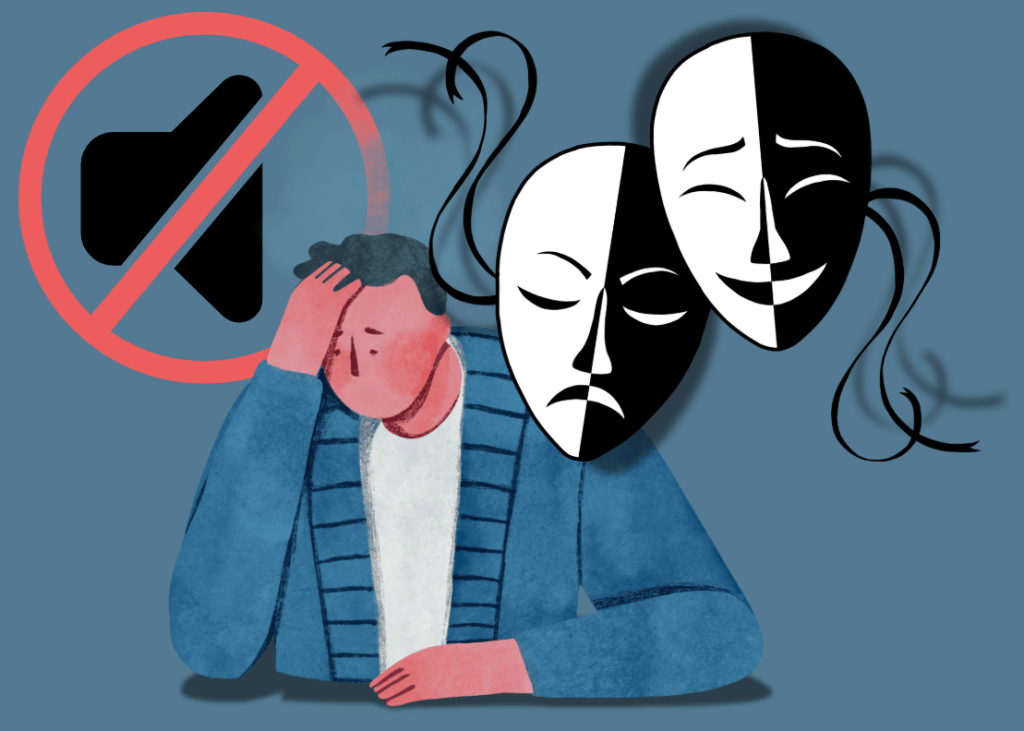
It’s not obvious when a friend is suffering. In today’s world, suicide is a leading cause of death among teenagers, and rates are rising faster than ever. Many teens feel hopeless and hide their pain. Experts warn that serious emotional distress often has subtle clues. Even if your friend never says anything outright,
noticing small changes can save a life. By
understanding hidden warning signs and
knowing how to respond with empathy, you can help protect someone who may have been silently struggling. (The Jed Foundation) (Hink et al.)


Common Signs of Silent Struggles
Due to the stigma around suicide and mental health, teens in crisis may not openly talk about how they feel. Instead, you should watch for subtle
patterns. For example, a struggling friend might:
- Talk or joke about dying: They might say things like “I wish I could disappear” or “What’s the point”. They might suggest that people would be better off if they were gone. Comments like “I want to die” are serious and should be taken as a sign to check on your friend. (The Jed Foundation)
- Withdraw from people or activities: If they suddenly lose interest in friends, hobbies, or school, it could be a subtle sign. You should notice if they try to isolate themselves, cancel plans, or just simply don’t seem quite themselves. They also might stop taking care of themselves, for example, disregarding their appearance, hygiene, or stopping things they used to enjoy. (The Jed Foundation) (Hink et al.)
- Experience changes in habits or health: They might have big shifts in sleeping or eating. Suicidal thoughts are often linked to sleeping and eating much more, or much less, than usual. They might often complain about stomach aches, headaches, or fatigue without a clear medical cause. (Johns Hopkins Medicine) (Hink et al.)
- Show Mood Swings or Emotional Numbness: Someone who is in deep pain may seem chronically sad or hopeless. You may feel unable to make them laugh or happy, and they may cry very easily. They might seem “on edge”, and say things such as “I’m tired of everything”. (The Jed Foundation) (Hink et al.)
- Act Recklessly or give away things: If someone is engaging in risky behaviors, for example, reckless driving, substance abuse, or giving away prized possessions, they may be planning something final. Since they believe their life doesn’t matter as much, they won’t care for their safety or possessions. Saying things like “I won’t be a problem for long” or giving away favorite items to close people should be taken seriously. (The Jed Foundation) (Johns Hopkins Medicine)
Just one of these signs doesn’t always mean that someone is suicidal. They may just be joking, introverted, or working on themselves. But many of these, especially after a loss or stressful event, should signal you to reach out. Most importantly, trust your instincts; if you notice enough to feel something is seriously wrong, it never hurts to check in with them.

Help and Resources for Teens
Although you may feel obligated to help your friend yourself, professional support can make a big difference when someone is struggling. Teens have access to many confidential help options:
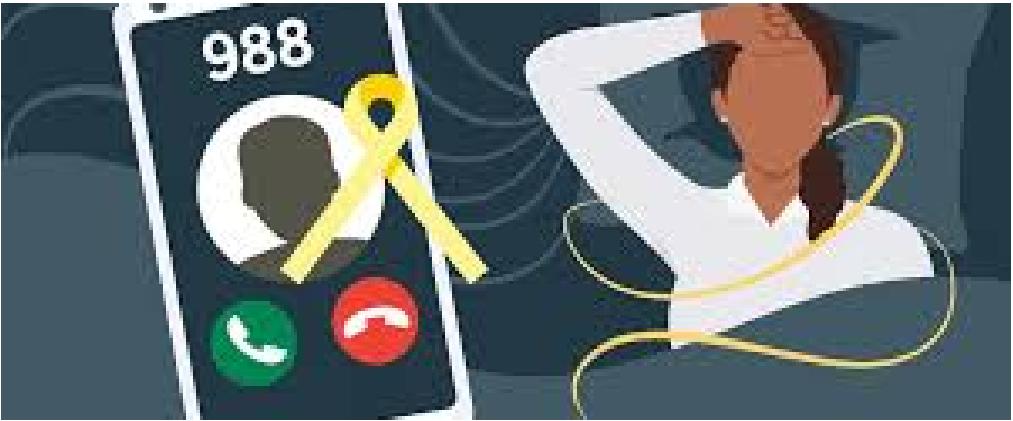
- Call or text 988 (Suicide & Crisis Lifeline): This is a nationwide free 24/7 service that can be reached by calling or texting 988. Trained counselors will listen without judgment and connect you to local support.
- Text HOME to 741-741 (Jed Foundation Crisis Text Line): This is a free text service by the Jed Foundation. It is similar to the 988 helpline, but it is hosted by the Jed Foundation and can be used as an alternative.
- Reach out to school or community counselors: School Psychologists, Counselors, or Nurses can listen, intervene, and guide you or your friend to further help without breaking confidentiality.
- Use Reputable websites and chat services: For more targeted or specialized help, you could direct your friend to an organization such as The Trevor Project or Teen Line. They can offer more personalized help, such as The Trevor Project, which supports LGBTQ+ teens. Social media can be a bad place, but groups moderated by mental health professionals, such as the @BeThe1To campaign, can also help.
- Talk to a trusted adult: Although this is most likely the hardest thing on this list to do, it can be very helpful. A parent, teacher, or coach can help handle the situation and make sure your friend receives the help they need. Adults have more experience and resources to help your friend.
Reaching out for help is a sign of strength, not weakness. Professional help can include counseling, medication, or support groups. When in doubt, any of these resources is an excellent place to start.
How to Connect Your Friend With Help
The way you talk to someone can encourage them to open up or push them away. Experts recommend trying these steps:
- Ask Directly and Listen: It might feel scary to ask this question, but research shows that this is the best way to ask about suicidal thoughts. It is best to be direct, and it lets your friend know you care. Make sure you ask in a caring tone, and listen without interrupting or judging. Make sure they have your full attention and acknowledge their feelings.
- Be there and show you care: When a person is struggling, even small acts can help them feel supported. Just saying things like “you mean a lot to me” or “I’m here for you no matter what” can help more than you know. Dismissive phrases like “other people have it worse” or “snap out of it” can be hurtful and harmful to their health. Validate their pain, and thank them for trusting you.
- Help keep them safe: Although this might make your friend upset with you, it is something they will appreciate in the long term. If they have a plan or any means to hurt themselves, do not keep it a secret. Remove anything dangerous from their surroundings, and sit with them until you can get more help.
- Connect to professional help: You should encourage them to talk to a counselor or therapist. They might be reluctant to go, but you can convince them that seeking help is a brave step. You can also dial 988 together or help them use an online chat. Being there for them in this way can make them feel more sure and comfortable with taking the next steps.
- Follow up and stay connected: Even after the crisis has passed, keep checking in. Do not ignore the situation; a simple text or hangout can remind you that you care. Studies show that ongoing support can lower the risk of another crisis.
- If it’s an emergency, act immediately: If your friend is at immediate risk, such as if they have a detailed plan or intent, do not leave them alone. Call 911, or take them to an emergency room. For minors, make sure their parent or guardian knows.
These actions save lives. Remember, taking any step is better than doing nothing.
Avoiding Guilt, Obsessing, and Self-Blame
When someone you care about is struggling, it’s easy to feel guilty or feel like you should have noticed sooner. But in reality, experts say that suicide is never one person’s fault. Around 90% of people who die by suicide have an underlying mental illness, such as depression, anxiety, or trauma, that clouds their thinking. Because of these things, they can feel hopeless, even when surrounded by support. (“If Only”: Self-Blame After a Loved One’s Suicide)
It’s important to trust your instincts; if something feels off, it probably is. But at the same time, don’t fall into the trap of obsessively reading into every behavior or monitoring people constantly. This can damage your own mental health, and isn’t realistic or fair to yourself. You’re their friend, not a therapist, and you are not responsible for the weight of their life on
your shoulders. (“If Only”: Self-Blame After a Loved One’s Suicide)
Here’s how to process these feelings in a healthy way:
- Recognize that you can care without control. You can support someone, listen, and help connect them to resources, but you can’t fix or prevent every outcome.
- Acknowledge your limits. You aren’t perfect, but if you showed them support, listened, or tried to help, that’s what matters most. It may have helped them more than you realize.
- Avoid constant second-guessing. It’s natural to replay things in your head, but if it becomes obsessive, you may need external help. Letting go of guilt is important and doesn’t mean that you don’t care.
- Make space for your own mental health. Helping someone else doesn’t mean you have to sacrifice your well-being. Although it is hard, you have to take time for your own rest, emotions, and support systems.
Again, trust your gut, but give yourself grace. If something is off, ask questions, but also be kind to yourself. Caring should be a strength, not a burden.
Conclusion
Talking about suicide is hard, but it’s one of the most important conversations we can have. Sometimes the signs are loud, and other times they’re quiet. Sometimes they can be easy to miss. That’s why trusting your gut matters. If something feels off about a friend, don’t ignore it, even if you aren’t 100% sure. You don’t have to obsess or become paranoid, but paying
attention and acting with empathy could save a life. (National Institute of Mental Health)
You don’t have to fix everything; you just have to take the first step. Whether that’s checking in, listening, or connecting them to help, small actions like a text, call, or walk can make a difference.
Lastly, if you are the one struggling, you’re not alone. It’s okay to ask for help. Text 988, talk to a school counselor, or open up to someone you trust. Recovering is possible, and you are worth it.
Let’s be there for each other. Let’s speak up. Let’s take action!
Sources Cited:
Photo Credits:


 Mind4Youth
Leave a comment