
By: Vaishnavi Kuchimanchi
What is it?
Methamphetamine, usually known as meth, is a lab-created stimulant that has high addiction probability. The creation of meth was first synthesized in Japan in 1893 for increased energy and enhanced performances. The production and use of methamphetamines has increased dramatically in
the past few decades in the United States, since most people can create it themselves using household ingredients, and recipes found on the Internet. The creation of meth involves the use of many volatile compounds, and can often lead to life-threatening injuries and a destroyed environment due to
reactions.
How is it used?
Methamphetamines come in many different forms, and are known by many different names like blue meth, granulated orange, speed, chalk, tina, spoosh, or ice. The intake can be in forms like a pill, shiny rock (also known as crystal), or as powder. It can either be eaten or snorted up the nose,
liquified and inserted using a needle, or smoked in a glass pipe (if crystal meth).
Why is it used?
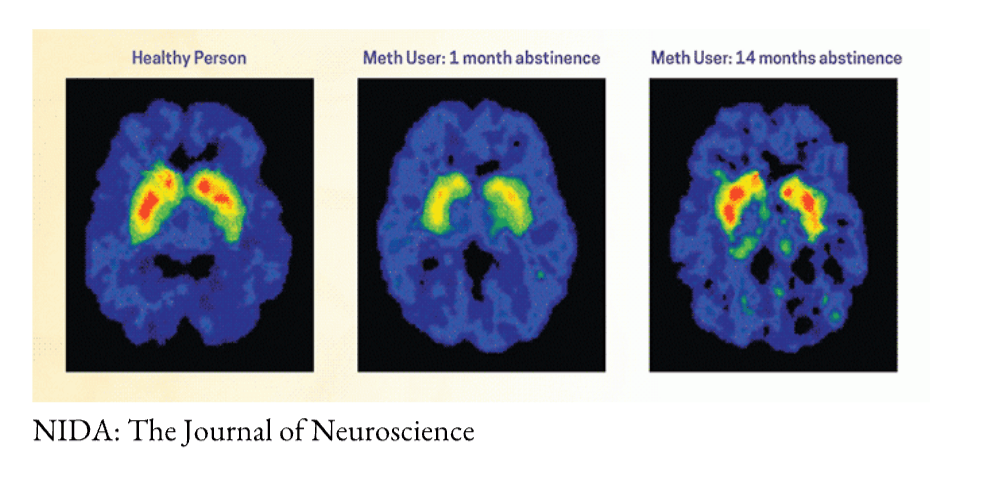
Methamphetamines are used as they increase the levels of dopamine, leading to changes in the chemical structure of the brain over time. Reasons to use it include performance enhancement, reducing withdrawal from other substances, socializing, or coping with pain/discomfort. Some may even use meth to lose weight or increase sexual performances. Oftentimes, those who use methamphetamines describe the experience as a rollercoaster. It starts with the rush of good feelings, but this high does not last for long. Many report feeling edgy, anxious, easily annoyed, or afraid. This is why meth is referred to as a highly addictive substance – hence, it is highly important to stress that it is not worth it to use methamphetamines, or any substances, to cope with different issues.
Side Effects
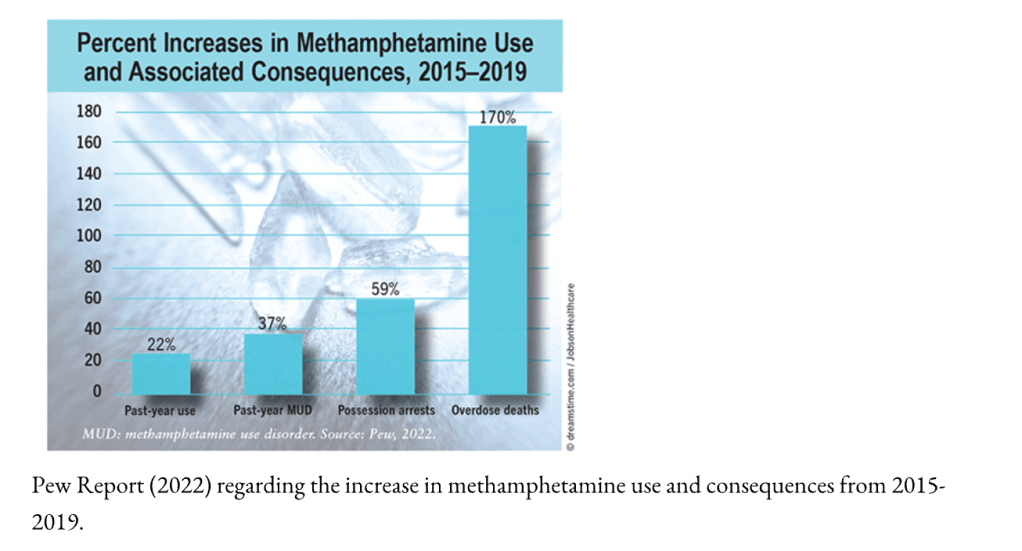
Methamphetamine use, can overtime, have many adverse effects: short-term and long-term. This often contributes to the overdose crisis seen in the United States. When the effect of meth begins to wear off, many users begin to “tweak”, a combination of anxiety, irritability, and fatigue. This leads
to a period of restless days, which ends in a “crash” of unrestful sleep.
Short-term effects include:
- More Energy
- High Body Temperature
- Fast Heart Rate and Breathing
- Lack of Hunger
Short-term effects include:
- Anxiety/Confusion
- Itchy Skin (can cause sores)
- Extreme Weight Loss
- Rotting Teeth (meth teeth)
Treatment and Recovery
In order to overcome their addiction, many users are often sent to rehab, a course of treatment for drug/alcohol dependence, and typically reside at the facility. To treat methamphetamine abuse or to cope with withdrawal, patients are recommended different forms of therapy.
- Contingency Management (CB): Provides tangible (physical) incentives in exchange for positive behavioral change.
- Cognitive Behavioral Therapy (CBT): Teaches strategies and skills necessary to avoid relapsing and remain abstinent.
- Matrix Model: Combines group and individual therapy. Focuses on social support, family education, relapse prevention, and improves communication skills.
Beautiful Boy: A Hollywood Recounting
The movie, “Beautiful Boy” describes the story of Nic Sheff and his relationship with methamphetamines. It is based on the 2008 memoir published by David Sheff titled “Beautiful Boy: A Father’s Journey Through His Son’s Addiction”. This is a great resource to understand the experiences
of an addict, and how it not only affects their lives, but the lives of those around them. “This movie doesn’t end with a rehab flourish, nor does it end in tragedy,” says Chalamet, who plays Sheff in the 2018 movie. It describes the issues of addiction, including the long term battles Nic faces through
rehab and his journey to ending his addiction. Nic wrote his own autobiography regarding his life titled “Tweak: Growing Up on Methamphetamines”, and its follow-up, “We All Fall Down: Living With Addiction”. This is to bring awareness to the meth and other drug related epidemic.
Take-Aways
It is important to keep in mind the adverse effects often seen with methamphetamine use and abuse, and the sheer levels of overdose many parties succumb to. If you know anyone struggling, it is important to reach out to a trusted adult, and FAST. Treatment is always available, and people can always recover. The next steps to address this issue are to increase awareness through more conversations and education, in order to destigmatize this essential topic, and to allow for more accessible treatment for all. As Beautiful Boy’s Chalamet mentions, addiction can be overcome with a strong resolution, unwavering support from adults and other individuals invested in your growth and health, both mental and physical. It is important to remember that the journey to recovery, while hard, is worthwhile and rewarding, leading you to become your best self.

Sources
Header Image Credit: https://www.ukat.co.uk/blog/mental-health/can-you-be-addicted-to-addiction/

 Mind4Youth
Leave a comment