Author: Anish Javvadi
Introduction
Would you believe there is such a charming and attractive plant that causes humans to die? Well, if you said no to the answer you are wrong. Indeed, there is such a mesmerizing plant that causes death, it is Aconite. Aconite is a plant that is prevalent in the regions of central and western Europe. It is an attractive plant, but even the slightest dose can be fatal to humans. Yet, no one talks about this beautiful killer. But, what if I told you that there is something more dangerous than Aconite? More menacing and prevalent than the plant Aconite itself, but contemporary society doesn’t even recognize the threat posed by this culprit. The culprit is Obsessive Compulsive Disorder (OCD) and the victims are our contemporary adolescents (ages between 10 to 19) in our society.
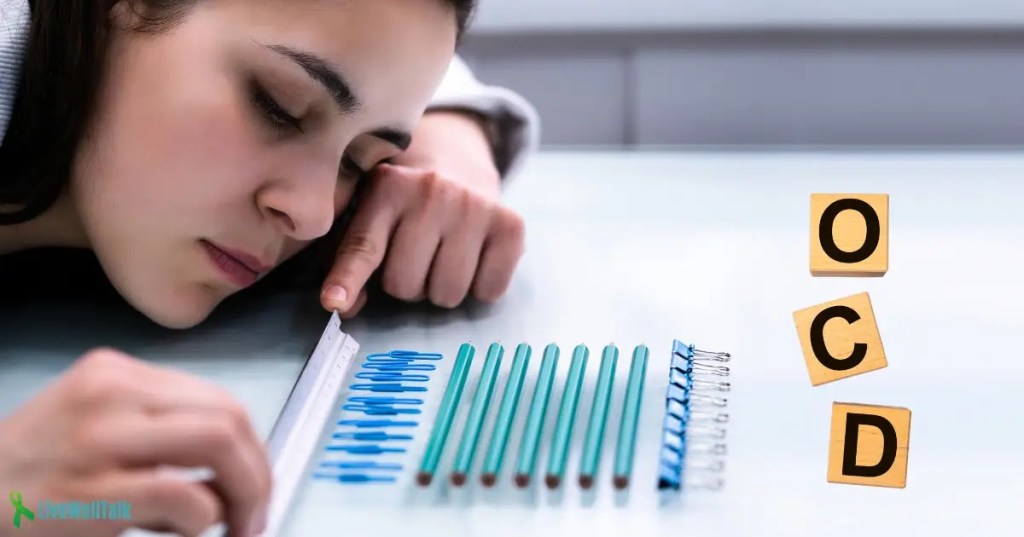
Despite various medical advancements revolutionizing the medical field, a common social complication regarding OCD would be the social stereotypical views. Specifically, the social stigma revolving around OCD is often associated with the victim being overly clean. While the following definition might partially apply to victims, OCD simply doesn’t mean over-cleanliness. Rather, according to an article published in the National Institute of Mental Health, states that OCD, “is a long-lasting disorder in which a person experiences uncontrollable and recurring thoughts (obsessions), engages in repetitive behaviors (compulsions), or both” (National Institute Mental Health). Moreover, this article further describes how OCD could be associated with “religion, self-harm, and general aggression” (National Institute Mental Health). This illustrates how OCD has a broad array of forms, which typically leads them to have intrusive thoughts or general repetitive behaviors caused by those intrusive thoughts.
Throughout this article, we will be unmasking the true identity of OCD. Specifically, we will analyze OCD from various lenses which includes OCD’s impact on cognitive function, and emotional health, and how OCD diminishes the general mental state of teen victims with this disorder. In addition to viewing OCD from different lenses and conveying the societal consequences and implications of this disorder, we will also be analyzing the current treatment plans and their efficacies in treating adolescents with this disorder. The purpose of this research is to educate fellow teens to not have a social stigma perspective of OCD, rather they acquire credible information about what and how OCD impacts the overall well-being of teens in our contemporary world. Overall, the following article provides a variety of analyses of OCD and how OCD treatment plans are having an impact on modern society.
Emotional Impact of OCD
Teens who are diagnosed with OCD are highly vulnerable to facing a significant impact on their emotional health. Specifically, during adolescent years, teens go through puberty, which elevates the chances of teens being more vulnerable to facing the consequences of emotional health. According to a child service business firm, Kids Helpline, “During puberty your child’s emotions may become stronger and more intense. Their mood might change more frequently, quickly and randomly” (Kids Helpline). Kids helpline further specifies how certain factors increase the likelihood of mood swings such as:
- Hormonal Changes
- Stress
- Anxiety
- Lack of Sleep
- Feeling scared or alone
- Academic pressure
We could acknowledge the normal prevalence of emotional well-being among teens from the following service firm. If regular teens themselves are struggling to maintain healthy emotional health, imagine the struggles and consequences a teen with OCD must face in maintaining a healthy emotional lifestyle. OCD Teens struggle to maintain healthy emotional health in various aspects including emotional resilience, relationships, and prolonged negative expressions.
OCD Consequences of Emotional Resilience
Mood swings cause the development of mood disorders, which affect the emotional well-being of teens, and one of the primary stimulators of mood swings is OCD. According to Olivia Rockeman, whose article is clinically approved, states that “a person with OCD can experience rapid shifts in their mood as a result of feeling unsettled” (Rockeman). Through Rockeman’s central claim, one could acknowledge how OCD teen victims often feel “unsettled” due to constant obsessive intrusive thoughts that haunt the victims. Specifically, OCD diminishes the power of emotional resilience within a teen, if they are diagnosed with OCD. With a lack of emotional resilience teens are more prone to be susceptible to not being able to adapt, having complications in managing stress, and impaired decision-making.
OCD Victimized Patient’s Relationships
It often goes unnoticed, but OCD victims tend to suffer in developing relationships and in maintaining them. An article, which is clinically approved by Dr. Don Gasparini, mentions, that “Relationship Obsessive Compulsive Disorder” (ROCD) has an impact on how OCD victims when in a relationship could face consequences such as:
- Self Isolation
- Lack of Communication
- Lack of Expression
- Uncertainty about their relationship
- Emotional Strain on their relationship
These are the few examples that were mentioned in the health blog article (Charlie Health). While not necessarily all of the points associated with teens, a few certain points such as lack of self-expression, and self-isolation highlight the effect of ROCD. These certain effects of ROCD play a pivotal role in shaping the teen’s emotional health with either their friends, family, or relatives. The impact of ROCD on teens is pivotal to address, due to its potent in not only worsening the OCD conditions in victims but also ensuring that the victims won’t be vulnerable to other mental and emotional disorders.
OCD and Prolonged Negative Behavior
In addition, to the various threats posed by OCD, one of the notable factors would be OCD’s development of negative behavior. To explain, an article published by a media service called NHS, mentions how one of the main components of OCD includes the victims facing “intense anxiety or distress” (NHS). Further, an article from MedicalNewsToday states that “people who experienced high levels of stress also became irritable and angry” (MedicalNewsToday). From the following article, we could gain insights into how OCD plays a prominent role in affecting a teenager’s personality and attitude to be more negative, which not only consists of strong emotions of anger but also emotions such as sadness, fear, and hate. These emotions eventually develop the formation of negative behavior, which later could have the potent to turn into a mental health disorder.
Cognitive Impact & Mental Health Impact of OCD
Cognitive Impact of OCD
While OCD does indeed have a broad impact on the overall well-being of individuals health, a notable factor would be OCD and cognitive functioning. Specifically, Silvia Bream, a researcher, mentions how OCD is a chronic health disorder that affects the prefrontal cortex of the brain which has an impact on the maturation and cognitive process of adolescents (SpringerLink). Furthermore, Satish Suhas, a researcher at the National Institute of Mental Health, further dives into explaining how the results from his study highlight how OCD impairs “set-shifting ability, alternation, response inhibition, and nonverbal memory” (NIH). Through both Bream’s and Suhas’s research, we can view the critical impact that OCD has on restricting cognitive growth in adolescents, as this age is when teens go through their mental development.
Moreover, Suhas’s research data further implies that cognitive function has an array of impacts on cognitive learning. Precisely, Suhas mentions how OCD impairs the focus of multiple aspects (set-shifting ability), adequately communicating (response inhibition), and the ability to distinguish different faces or feel 5 main senses. Through Suhas’s research, we could conclude how OCD has a crucial impact on cognitive function. In addition, the effects of cognitive impact on OCD teen victims are worse because the teenage years are when the cognitive function develops. Suhas’s claims imply an overall negative impact on the cognitive learning of an OCD teen.
Mental Health Impact of OCD
So far, through this article we have explored the elements of emotional and cognitive health factors, which are parts of mental health; when we shift our view from those certain elements to looking at the overall impact of OCD on mental health the effects are highly consequential. Respectively, a study analysis, which is published in Cambridge University Press, offers “a persistence rate of OCD of 41%; 40% of participants had a psychiatric diagnosis other than OCD at follow-up” and “confirms that pediatric OCD can be a chronic condition that persists into adulthood” (Cambridge University Press). This source reveals how the development of OCD has not only been proven to be a chronic prevalent disease, but it also has the capability of exposing individuals to other “psychiatric diagnosis” that demolishes mental health. Specifically, articles published by the Mayo Clinic and Cleveland Clinic provide a brief overview of how certain mood disorders, which disorders fall under the categorization of “psychiatric diagnosis” such as:
- Major Depression
- Disruptive Mood Dysregulation Disorder
- Premenstrual Dysphoric Disorder
- Bipolar Disorders (including type 1 and 2)
- Cyclothymia
- Anxiety Disorders
- Personality Disorder
- Schizophrenia
(Mayo Clinic) & (Cleveland Clinic)
Overall, this is a brief overview list of other psychiatric diagnoses. Furthermore, the results from Cambridge Press imply how OCD teens could face the outcomes of these psychiatric disorders. These certain psychiatric disorders would lead teens to be extremely vulnerable in maintaining a healthy mental lifestyle, which includes having self-acceptance, having good coping mechanisms, maintaining balanced perspectives, maintaining healthy relationships, and general adaptability and productivity. This implies how OCD could take various forms when it comes to damaging the victim’s mental health, which is extremely important for our society to acknowledge.
Treatment Plans
Overview of Treatment Plans
Contemporary society offers various treatments to effectively counter OCD. Notably, an article published in the Mayo Clinic depicts the various treatment elements used in countering OCD.
- Psychotherapy (includes CBT & ERP)
- Fluoxetine (Prozac)
- Fluvoxamine ( Luvox)
- Sertraline (Zoloft)
- Clomipramine (Anafranil)
These are a few of the medication lists that the Mayo Clinic has approved that typical teenagers could get in treating OCD. Moreover, a PhD author Stacey Dobrinsky states that cognitive behavioral therapy (CBT) is considered the most prominent and vital treatment in changing the thought patterns of OCD victims, which in the long run enhances the victim’s ability to control intrusive thoughts (Anxiety Institute). Moreover, Dobrinsky further mentions how Exposure and Response Prevention (ERP), which is a part of CBT, plays a pivotal role in leading patients to manage their thoughts and have the ability to confront their fears/anxieties (Anxiety Institute). Lastly, Dobrinsjy also describes how CBT and ERP are the most efficient and effective treatments in countering OCD, and medication is only prescribed if the psychotherapy doesn’t work.
Efficacy of OCD Treatments
While the 21st century does indeed boast of its revolutionizing medical technology in enhancing medical treatment, this same aspect when applied to OCD treatment provides convoluted results in depicting the medical treatment of OCD victims. Contemporary researcher Patrick McGrath, who has a PhD, states that certain therapies like talk therapy, in which the patient has to talk about their thoughts with their doctor, is often considered ineffective in most OCD patient scenarios and it could also deteriorate the conditions of the patient’s symptoms.
However, Jerry Bubrick, a clinical expert, conveys how the central treatment of OCD is CBT, and Bubrik considers CBT to be the “gold standard treatment of OCD” (Child Mind Institute). Bubrick emphasizes how the particular treatment of ERP, which is a part of the CBT treatment procedure, is effective in developing the victims to form immune to their OCD triggers. In the ERP procedures, the victim and a certified health professional talk about certain fears that the victim has, and later the victim is given the challenge of facing their fear in the mildest form (Child Mind Institute). After the victims developed resilience to their fear, the health professional exposed the victims to face their OCD triggers, by doing so the victims developed resilience in controlling their intrusive thoughts of OCD.
Moreover, the treatment of medications is also considered well-structured. The International OCD Foundation, a global international company, states that approximately “7 out of 10 people with OCD will benefit from either medication or Exposure and Response Prevention (ERP)”(International OCD Foundation). According to the International OCD Foundation, one could understand how the current treatments of both the medication and ERP, which is part of CBT, play a critical role in treating the majority of the victims with OCD. Overall, the contemporary solutions of the 21st century are conspicuously effective and efficient, due to various treatments being offered to patients, which likely is going to alleviate and cure OCD in teens.
Conclusion
Call to Action
Educators: School administrations and teachers should take the responsibility of thoroughly explaining how OCD and other mental disorders, similar to OCD, have negative consequences on an individual. Moreover, having school activities related to certain mental disorders, and in those activities, students are exposed to how mental disorders truly affect a victim. Ultimately, this would prompt social stigmas around various mental disorders, similar to OCD, to be demolished.
Parents: Parents should be keen on observing their children’s health. The observation of children’s behavior is essential in leading to efficiently diagnosing teen victims of OCD. Moreover, parents should also ensure that their children, regardless of whether their child has OCD or not, attend any social health groups or community activities that take place to convey relevant information about certain disorders like OCD. This provides accessibility for young demographic students to have a misconceptualized opinion on mental disorders like OCD.
Students: In order for students to escape the stereotypical views of society on mental health disorders, for example, the stereotypical view on OCD victims, it is important for students to comply in participating in local or school events. Indeed, the students should have a general passion for not only participating in educational events that convey factual evidence on mental health disorders, but the students should also seek to advocate the factual evidence, which in the long run would prompt the development of an accurate understanding of certain disorders within society. This would lead the community to have a consensus opinion when discussing certain mental health conditions, like OCD.
Ultimately, throughout society, various social stereotypical views would be placed on the innocent victims of those who are suffering from disorders like OCD, and it is essential for our contribution to ensure that these stereotypical views are erased in society. By doing so, we are promoting the development of accurate information regarding health complications, like OCD, to be spread across our society.
Final Conclusion
In conclusion, throughout the following article, we analyzed the various variations of OCD’s impact on mental health, disproving the myth of social stigma on how OCD revolves around high cleanliness. OCD isn’t a mere disease of cleanliness, rather it is a silent mutilator of mental health, because the true identity of OCD is extremely threatening, especially in teens, in exacerbating and creating new psychological disorders, affecting cognitive functioning, and in leading one to feel emotionally vulnerable. It is important for contemporary teens to learn the true identity of OCD because this prompts raising awareness on the issue of OCD prevalence among teens, which enhances the societal understanding of OCD.
Citations
“Break the Stigma of Mental Illness – Imlimenla N Longkumer, B.A. 1st Sem, Dept. Of Psychology.” DOT Talks, 4 Aug. 2020, www.dottalks.in/break-the-stigma-of-mental-illness-imlimenla-n-longkumer-b-a-1st-sem-dept-of-psychology/.
Brem, Silvia, et al. “Neuroimaging of Cognitive Brain Function in Paediatric Obsessive Compulsive Disorder: A Review of Literature and Preliminary Meta-Analysis.” Journal of Neural Transmission, vol. 119, no. 11, 8 June 2012, pp. 1425–1448, https://doi.org/10.1007/s00702-012-0813-z. Accessed 26 Aug. 2022.
Bubrick, Jerry. “What Is the Best Treatment for OCD?” Child Mind Institute, 2022, childmind.org/article/what-is-the-gold-standard-treatment-for-ocd/.
Effland, Lara . “Perfectly Imperfect Love: Tips to Recognize & Move Past Relationship OCD.” Adaa.org, 2023, adaa.org/webinar/consumer/perfectly-imperfect-love-tips-recognize-move-past-relationship-ocd. Accessed 8 Oct. 2024.
Heyman, Isobel, et al. “Prevalence of Obsessive–Compulsive Disorder in the British Nationwide Survey of Child Mental Health.” British Journal of Psychiatry, vol. 179, no. 4, Oct. 2001, pp. 324–329, https://doi.org/10.1192/bjp.179.4.324.
Jenike, Michael. “International OCD Foundation | Medications for OCD.” International OCD Foundation, 2010, iocdf.org/about-ocd/treatment/meds/ .
Kristina Robb Dover. “It’s Complicated: OCD and Relationships – Restore Mental Health | Inpatient & Outpatient Treatment.” Restore Mental Health | Inpatient & Outpatient Treatment, 21 Nov. 2023, restore-mentalhealth.com/ocd-and-relationships-complicated/. Accessed 8 Oct. 2024.
LPC, Jenna Overbaugh. “Why Talk Therapy Typically Isn’t Effective for Treating OCD.” NOCD, 6 July 2022, www.treatmyocd.com/blog/why-talk-therapy-typically-isnt-effective-for-treating-ocd.
Mayo Clinic. “Obsessive-Compulsive Disorder (OCD) – Diagnosis and Treatment – Mayo Clinic.” Mayoclinic.org, Mayo Clinic, 21 Dec. 2023, www.mayoclinic.org/diseases-conditions/obsessive-compulsive-disorder/diagnosis-treatment/drc-20354438.
Mayo Clinic. “Mood Disorders – Symptoms and Causes.” Mayo Clinic, 29 Oct. 2021, www.mayoclinic.org/diseases-conditions/mood-disorders/symptoms-causes/syc-20365057.
Micali, N., et al. “Long-Term Outcomes of Obsessive–Compulsive Disorder: Follow-up of 142 Children and Adolescents.” British Journal of Psychiatry, vol. 197, no. 2, Aug. 2010, pp. 128–134, http://www.cambridge.org/core/journals/the-british-journal-of-psychiatry/article/longterm-outcomes-of-obsessivecompulsive-disorder-followup-of-142-children-and-adolescents/D3C3F57FE93B798565B59AAF01B28558, https://doi.org/10.1192/bjp.bp.109.075317.
National Institute of Mental Health. “Obsessive-Compulsive Disorder.” Www.nimh.nih.gov, National Institute of Mental Health, 2022, www.nimh.nih.gov/health/topics/obsessive-compulsive-disorder-ocd.
NHS. “Symptoms – Obsessive Compulsive Disorder (OCD).” Nhs.uk, NHS, 16 Feb. 2021, www.nhs.uk/mental-health/conditions/obsessive-compulsive-disorder-ocd/symptoms/.
Orsolini, Laura, et al. “A Systematic Review on TeleMental Health in Youth Mental Health: Focus on Anxiety, Depression and Obsessive-Compulsive Disorder.” Medicina, vol. 57, no. 8, 31 July 2021, p. 793, https://doi.org/10.3390/medicina57080793.
Rao, NarenP, and Satish Suhas. “Neurocognitive Deficits in Obsessive–Compulsive Disorder: A Selective Review.” Indian Journal of Psychiatry, vol. 61, no. 7, 2019, p. 30, https://doi.org/10.4103/psychiatry.indianjpsychiatry_517_18.
Rathor, Garima. “What Is Cognitive-Behavioral Therapy (CBT)? Does It Work?” Spark.Live, 29 June 2020, medium.com/spark-live/advantages-of-cognitive-behavioral-therapy-cbt-88bff0ab98d3.
RN, Ethan Cohen BSN. “The Impact of OCD on Relationships.” Charlie Health, 11 July 2023, www.charliehealth.com/post/the-impact-of-ocd-on-relationships.
Rockeman, Olivia. “Can OCD Cause Mood Swings?” NOCD, 2 Aug. 2024, http://www.treatmyocd.com/blog/can-ocd-cause-mood-swings. Accessed 8 Oct. 2024.
Siqueland, Lynne . “What Happened to My Child? Understanding and Treating “Bad Thought” OCD in Children.” Adaa.org, adaa.org/learn-from-us/from-the-experts/blog-posts/consumer/what-happened-my-child-understanding-and.
Stacey Dobrinsky. “OCD Signs and Treatment for Teens.” Anxiety Institute, 4 Jan. 2021, anxietyinstitute.com/ocd-signs-and-treatment-for-teens/.
Swift, Michael. “Managing Pure O: Using Cognitive Defusion for Intrusive Thoughts.” @Counselling_UK, Counselling Directory, 12 Aug. 2024, http://www.counselling-directory.org.uk/memberarticles/managing-pure-o-using-cognitive-defusion-for-intrusive-thoughts. Accessed 8 Oct. 2024.
Thorsen, Anders Lillevik, et al. “Emotional Processing in Obsessive-Compulsive Disorder: A Systematic Review and Meta-Analysis of 25 Functional Neuroimaging Studies.” Biological Psychiatry: Cognitive Neuroscience and Neuroimaging, vol. 3, no. 6, June 2018, pp. 563–571, http://www.sciencedirect.com/science/article/pii/S2451902218300235, https://doi.org/10.1016/j.bpsc.2018.01.009.
TN, and 37228 United States 877-467-3123. “Understanding Obsessive-Compulsive Disorder (OCD).” Centerstone, centerstone.org/our-resources/health-wellness/obsessive-compulsive-disorder-ocd/.
Weston, Chris . “We Think Therefore We Are Thinking about Thinking: When Overthinking Becomes a Disorder | Anxiety and Depression Association of America, ADAA.” Adaa.org, adaa.org/learn-from-us/from-the-experts/blog-posts/consumer-professional/we-think-therefore-we-are-thinking.
Zambon, Veronica. “Emotional Symptoms of Stress: What Are They and How Are They Treated?” Www.medicalnewstoday.com, 30 Oct. 2020, www.medicalnewstoday.com/articles/emotional-symptoms-of-stress.
Ziffra, Michael. “Medication for Treatment of OCD: Understanding the Options | Anxiety and Depression Association of America, ADAA.” Adaa.org, 14 Aug. 2023, adaa.org/learn-from-us/from-the-experts/blog-posts/consumer-professional/medication-treatment-ocd.

 Mind4Youth
Leave a comment