Authors: Kapil Oswal
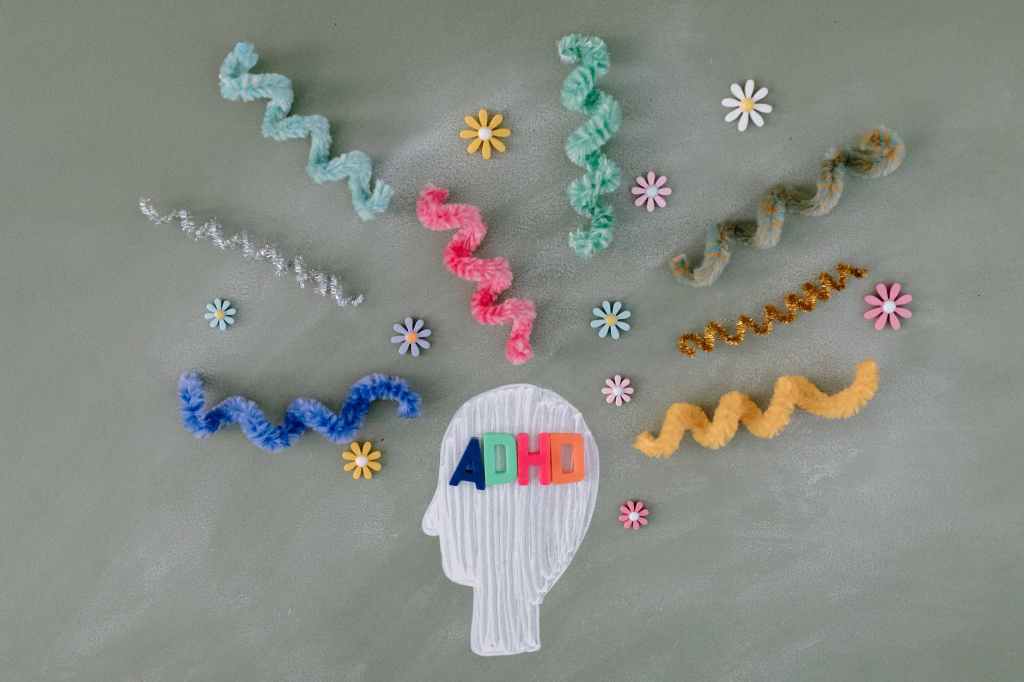
When people usually mention ADHD, there are common generalizations associated with the mental disorder, such as being “hyper” or the inability to focus on things as the only or primary symptoms. However, when thinking of ADHD, there is a structured pathway and rules to follow in diagnosis. Now, it’s time to consider, do you actually know ADHD?
We should start from the beginning, what causes ADHD? The simple answer is genetics. While it seems obvious considering ADHD is officially classified as a genetic disorder, other risk factors are now heavily being studied and considered by doctors all over the world as either an influence in the cause or a primary cause in the appearance of ADHD. These include brain injury, exposure to environmental hazards, alcohol and tobacco use during pregnancy, premature delivery, and low birth weight for the individual who may have ADHD. While they are not just as justified as genetics, there is potential in the future for these risk factors to play a role or even accelerate the appearance of ADHD as well.
Now that we have discussed possible causes, how is ADHD diagnosed? ADHD is diagnosed according to two primary criteria established in the American Psychiatric Association’s Diagnostic and Statistical Manual, Fifth edition, inattention and hyperactivity/impulsivity. A large portion of the diagnosis revolves around separating individuals that are 16 years or younger and individuals that are 17 years or older, extending through adulthood.
With symptoms of inattention, individuals with ADHD who are 16 years or older usually display 6 or more symptoms of inattention, while individuals who are 17 years or older display 5 or more symptoms of inattention. The symptoms must be present for 6 months or more and be avoidant for developmental level. But what are these symptoms? Down below are some common symptoms of inattention.
| COMMON SYMPTOMS OF INATTENTION: |
| Often fails to give close attention to details or makes careless mistakes in schoolwork, at work, or with other activities. |
| Often has trouble holding attention on tasks or play activities. |
| Often does not seem to listen when spoken to directly. |
| Often does not follow through on instructions and fails to finish schoolwork, chores, or duties in the workplace (e.g., loses focus, side-tracked). |
| Often has trouble organizing tasks and activities. |
| Often avoids, dislikes, or is reluctant to do tasks that require mental effort over a long period of time (such as schoolwork or homework). |
| Often loses things necessary for tasks and activities (e.g. school materials, pencils, books, tools, wallets, keys, paperwork, eyeglasses, mobile telephones). |
| Is often easily distracted. |
| Is often forgetful in daily activities. |
With symptoms of inattention, individuals with ADHD who are 16 years or older usually display 6 or more symptoms of inattention, while individuals who are 17 years or older display 5 or more symptoms of inattention. The symptoms must be present for 6 months or more and be avoidant for developmental level. But what are these symptoms? Down below are some common symptoms of inattention.
| COMMON SYMPTOMS OF HYPERACTIVITY: |
| Often fidgets with or taps hands or feet, or squirms in seat. |
| Often leaves seat in situations when remaining seated is expected. |
| Often runs about or climbs in situations where it is not appropriate (adolescents or adults may be limited to feeling restless). |
| Often unable to play or take part in leisure activities quietly. |
| Is often “on the go” acting as if “driven by a motor”. |
| Often talks excessively. |
| Often blurts out an answer before a question has been completed. |
| Often has trouble waiting their turn. |
| Often interrupts or intrudes on others (e.g., butts into conversations or games). |
However, additional conditions must also be met by diagnosis. These include several symptoms being present before 12 years old, symptoms are present in multiple settings rather than one setting, there is clear evidence that the symptoms affect the state of living of the individual, and the symptoms are not a result of another mental disorder.

 Mind4Youth
Leave a comment