Authors: Annika Abraham, Brandon Mabey
What Is Body Image?
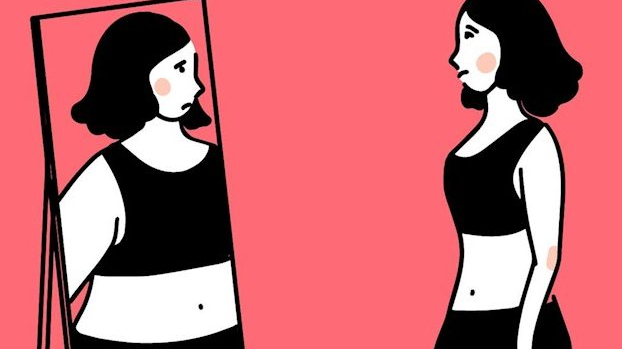
Body image is a person’s subjective picture or mental image of their own body. Body image is a spectrum between a positive or negative view of one’s body. A positive body image would entail feeling good about your body and comfortable with all (or most) aspects of it. When someone has a negative body image they typically feel unhappy regarding their appearance and feel as if they need to change their body size/shape.
There are four main types of body image; Perceptual, Affective, Cognitive and Behavioural. Perceptual body image which is the way you see your body. Your perceptual body image is not necessarily accurate and an inaccurate perceptual body image is a symptom of body dysmorphia. The second type is affective body image which is how you feel about your body and the amount of satisfaction or dissatisfaction you feel regarding your shape, weight, or individual body parts. The third type is cognitive body image and that is the way you think about your body, focusing on your cognitive body image can lead to overanalyzing your body shape and weight. The last type is behavioral body image, it’s defined as the behaviors you partake in due to your body image, this can include isolation or employment of unhealthy behaviors to alter appearance. But what causes a negative perceptual/cognitive body image?
A negative body image is typically due to family, peers, social media, and/or social pressures. According to an article by the organization BetterHealth, published in 2023, the most common contributors are:
- Appearance/weight-related teasing/bullying in childhood (or currently)
- Family/friends who express dissatisfaction with their body or who diet
- Cultural tendencies to judge others by appearance
- Peer pressure to have a certain physique, engage with diets, exercise, and compare oneself with others
- Media and advertising images that promote certain appearances over others
- People who internalize society’s appearance or body ideals
- Public health campaigns that urge weight loss
Body image is connected to self-esteem/self-confidence and actively affects mental health, resulting in a myriad of positive or negative byproducts.
Frequently those struggling with a negative body image experience many other byproducts as a result of their body dissatisfaction. Some of these include:
- Dieting/restrictive eating
- Over-exercising
- Body dysmorphia
Eating disorders occur at times with those struggling with body dissatisfaction. Like many aspects of body image, eating disorders originate psychologically from behaviors that later affect someone’s physical appearance. In the realm of body image, these behaviors are caused by negative thoughts and emotions, stressing over whatever it takes to improve someone’s physical appearance as soon as possible. Common eating disorders are:
- Anorexia
- Bulimia nervosa
- Binge eating disorder
- Avoidant restrictive intake disorder
- Pica and rumination disorder
Eating disorders affect 5% of the population and typically develop in adolescents, with anorexia and bulimia being the most common disorders.
Another byproduct of poor body image is body dysmorphia (BDD). Body dysmorphia is defined as a mental health condition where you can’t stop thinking about specific flaws/defects in your appearance, they may not even be there or noticeable. Body dysmorphia is most commonly caused by environmental, psychological, and biological factors (or a combination of them). Events such as bullying or teasing intensify these feelings of shame, inadequacy, and embarrassment.
While BDD can affect anyone, people who are most at risk for developing it tend to have a family history of BDD, a similar mental disorder, or abnormal levels of brain chemicals. Other risk factors include personality type and life experience. How does one tell if they have this disorder? Well the most common symptoms of BDD are:
- Constantly checking yourself in the mirror
- Avoiding mirrors
- Trying to hide specific body parts under a hat, scarf, or makeup
- Constantly comparing yourself with others
- Always asking other people whether you look okay
- Not believing other people when they say you look fine
- Avoiding social activities
- Not going out of the house, especially in the daytime
- Seeing many healthcare providers about your appearance
Body dysmorphia can affect your mental and physical health as well as your relationships with the people around you. If you believe you have BDD, you should talk to a trusted adult and discuss possible next steps. If you believe that this may be serious or your symptoms are worsening, reach out to a healthcare provider/GP.
If you want to talk to someone online, you can text (800) 931 – 2237. If you are in a crisis and need help immediately, text “NEDA” to 741741 to be connected with trained volunteers, this line is available 24/7.
There are many ways people can improve their body image and feel improved physically and emotionally through therapeutic pathways. Identifying the particular cause or causes for someone’s negative body image is a great first step. As research has suggested before, social media, family pressure, abuse, social pressure, and BMI are all highly influential in body dissatisfaction, so taking breaks can be helpful. Taking initiatives like PBIS (Positive Behavior Interventions and Supports) in someone’s life can make a large impact.


 Mind4Youth
Leave a comment