Author: Neel Iyer
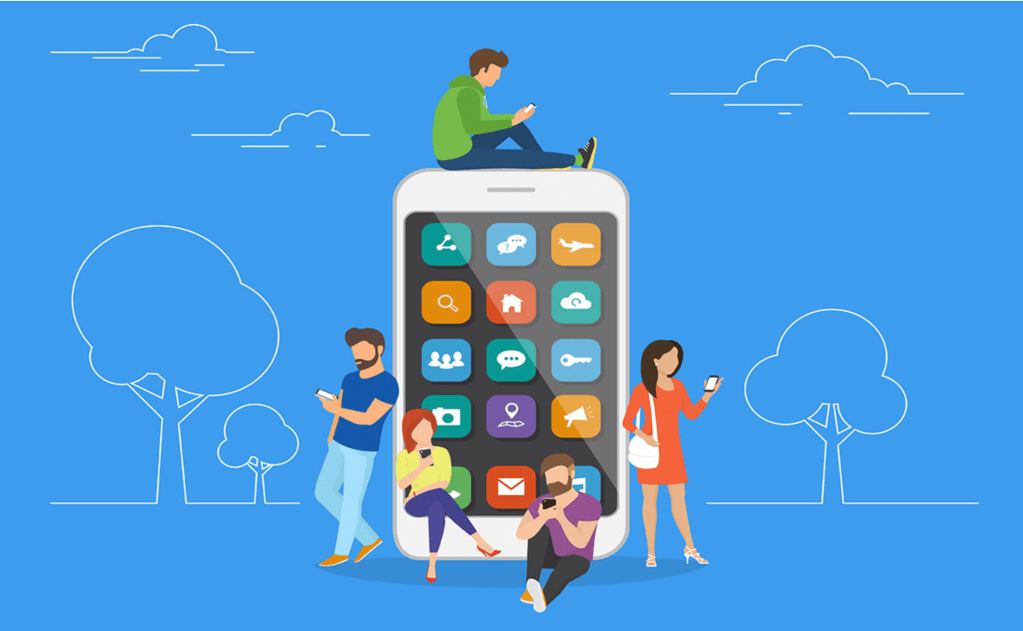
In the 21st century, with the prevalence of technology, social media plays a large impact in the connection and communication of humans internationally, with Pew Research citing the 3 largest used platforms being, Youtube (used by 86% of teens), Instagram (72% of teens) and Snapchat (69% of teens). However, underneath the perceived benefits of this tool, lies a hidden side. Despite the ideology of bringing people together through connection and shared memories, teens’ excessive usage of these technologies can lead to significant mental health challenges.
The Impact of Excessive Social Media Use
Studies around the world have shown a clear linkage between the excessive use of social media and the side effects of mental health risks. According to the Mayo Clinic, “A 2019 study of more than 6,500 12- to 15-year-olds in the U.S. found that those who spent more than three hours a day using social media might be at heightened risk for mental health problems. Another 2019 study of more than 12,000 13- to 16-year-olds in England found that using social media more than three times a day predicted poor mental health and well-being in teens.” With technology being accessible and available, its constant and repeated use can be linked to these mental health detriments such as depression, anxiety or specifically FOMO (a fear of missing out).
Vulnerability of Teens with Mental Illness
These effects that social media can have, like FOMO, are exacerbated even more for teenagers who already suffer from mental illnesses. The National Institute of Mental Health already indicates that nearly half of all children experience some form of mental disorder during their life, and up to 22.2% of them will face severe mental impairments throughout their life. Moreover, young adults aged 18 to 25 have the highest rates of mental illness, with a staggering 25.8% affected, compared to 22.2% for ages 26 to 49, and 13.8% for ages 50 and above.
Conclusion
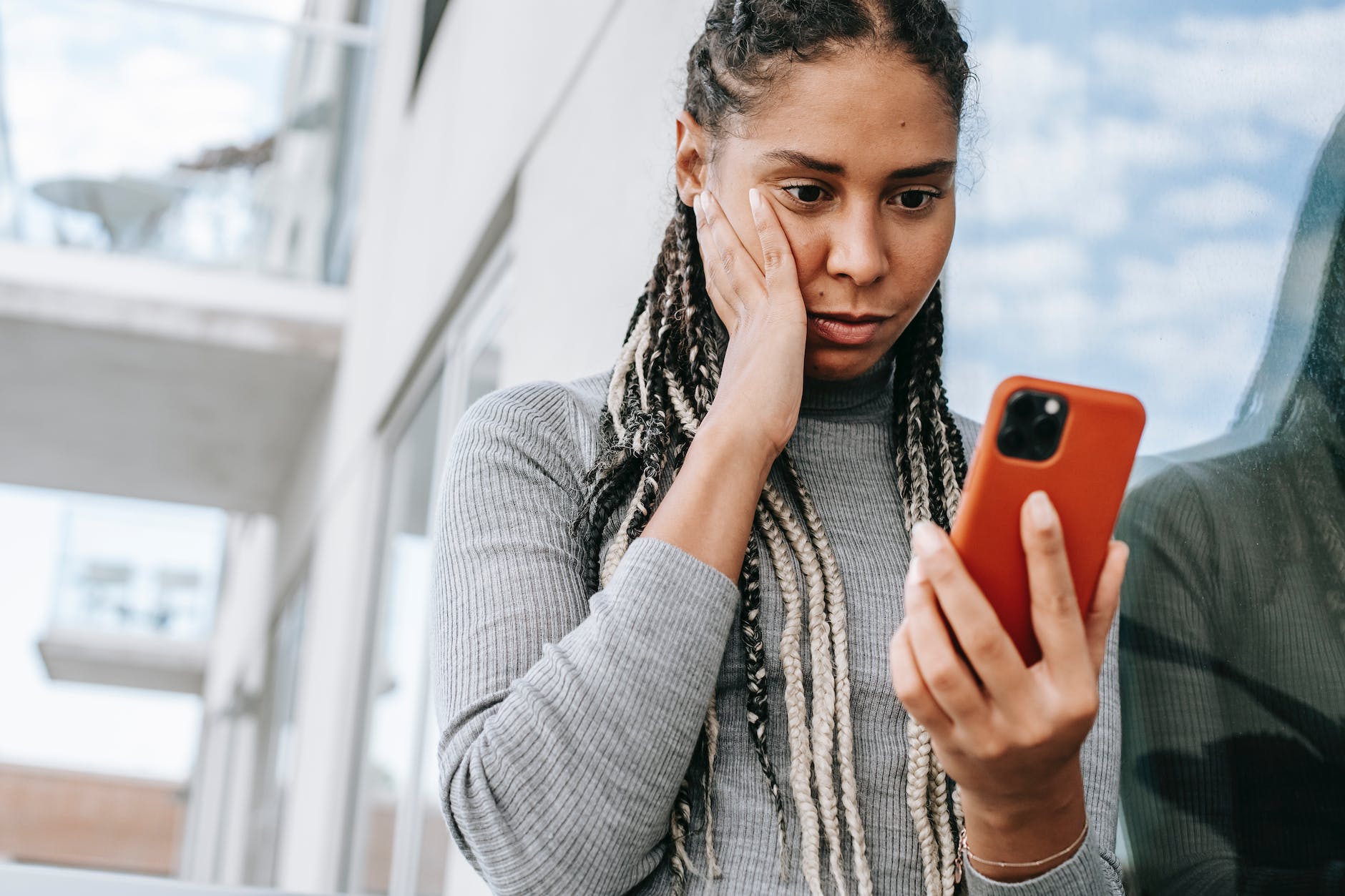
It’s important to acknowledge the negative impact that social media can have on a teenager’s mental health, despite being an excellent channel for communication and forming connections. Overusing it may enhance feelings of seclusion besides amplifying enduring mental health complexities. It is important then to locate potential hazards whilst also implementing methods to minimize adverse effects, enabling youngsters to leverage social media’s favorable features while preserving their psychological welfare in our progressively globalized world.

 Mind4Youth
Leave a comment